
What would it take to help a rural primary school make lasting progress—not only in its buildings, but in children’s learning and the strength of the surrounding community?
That question is guiding African Revival as we develop a longer-term approach to working alongside rural schools. As part of this work, we are exploring the needs and circumstances of potential partner schools in Amuru and Nwoya districts in northern Uganda.
Listening before making plans
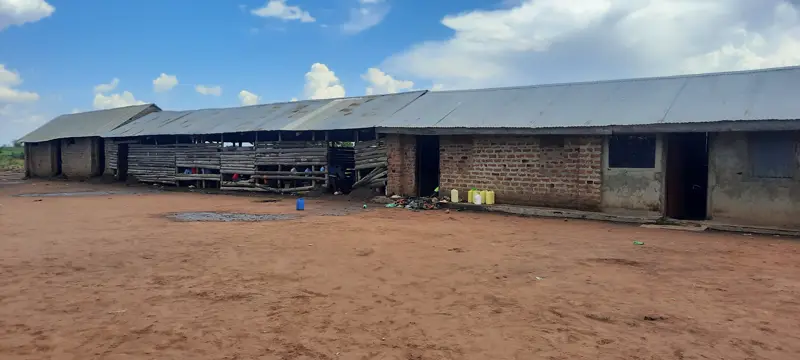
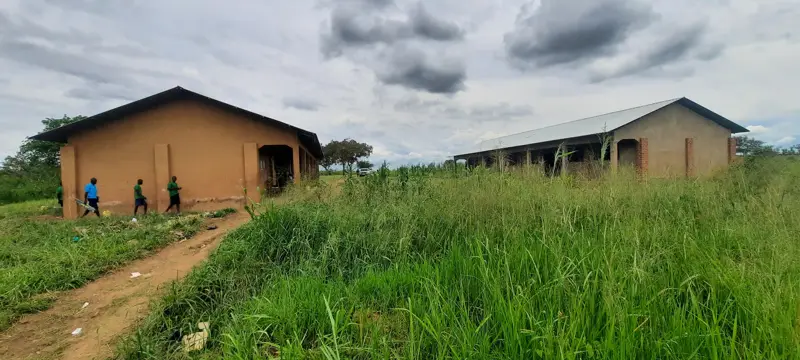
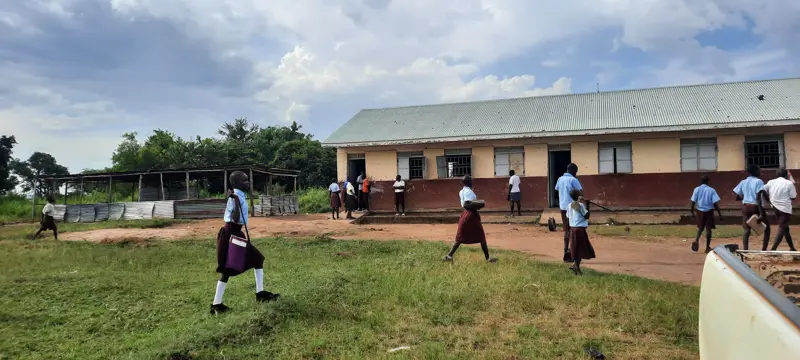
Each school has its own strengths, challenges and priorities. Through initial school visits, we are listening to school leaders, teachers and communities, and looking carefully at the conditions in which children learn. These assessments are still being reviewed and do not mean that any school has been selected.
Questions can include the availability of classrooms, safe water and sanitation; access to books and teacher development; attendance and inclusion; and the practical challenges families face in supporting their children’s education. The answers will differ from one community to another.
A longer-term approach in development
We are developing plans to work with a smaller group of schools over a longer period, bringing different kinds of support together around locally identified needs. Our current planning is based on an initial group of around ten schools, but the programme and the schools involved are still being developed.
As proposals take shape, we want to work with communities and partners to understand what can be sustained locally, including the potential contribution of income-generating activities. We also want to measure progress carefully and share what we learn—not simply report activities.
Follow the journey
We will share more about the schools, their communities and the ideas being explored as information is checked and the programme develops.
Learn about rural primary education in Uganda · Explore our whole-school approach
