- Since 2005:
- 340 Schools Supported
- 121,200 Beneficiary Children
- 260 New Classrooms
- 32,100 Books Distributed
- 1,000 Teachers Trained
Improving educational outcomes in rural Uganda requires more than solving one problem at a time. Children’s learning is shaped by the teachers available to them, the condition of their school, access to books and literacy support, water and sanitation, nutrition, safety, family livelihoods and the strength of the surrounding community.
African Revival is developing a whole-school approach that connects teacher support, learning, infrastructure, inclusion and community partnership: a longer partnership with a defined group of rural primary schools, built around locally agreed improvement plans and clearer measurement of results.
A new classroom can reduce overcrowding, but children still need trained and supported teachers. Books can improve access to learning materials, but they need to be relevant, well managed and used in lessons. Water and sanitation facilities can support health, dignity and attendance, but only if they are maintained.
These factors interact. When support is delivered as disconnected short projects, it can be difficult to understand which changes made the greatest difference or whether progress lasted. A whole-school plan allows the school, community and partners to see the connections and agree priorities over several years.
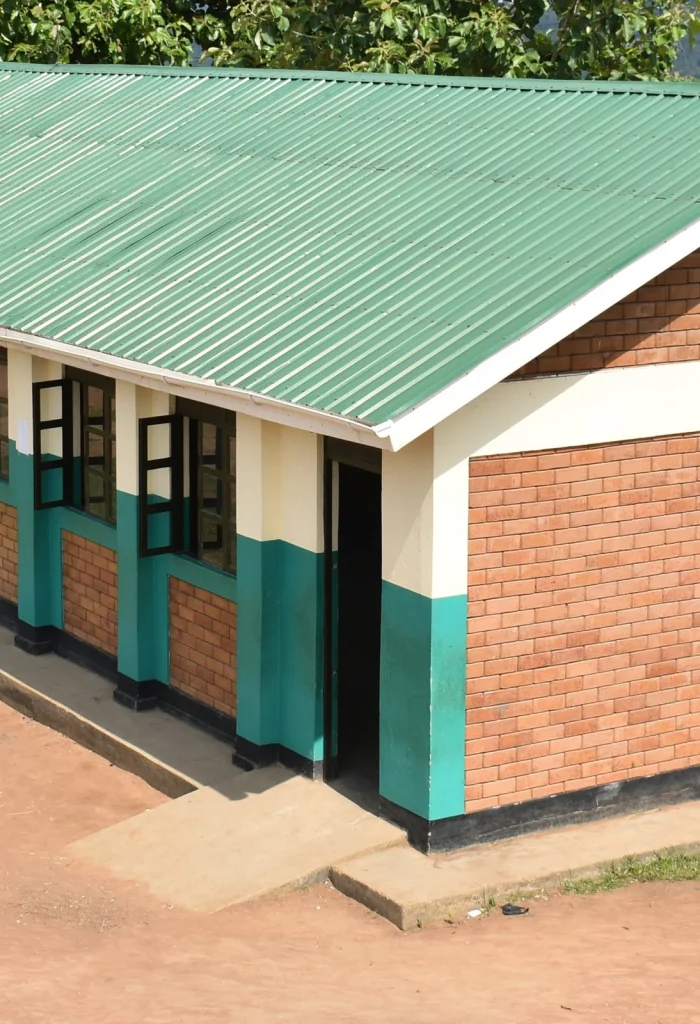
At Midia Primary School, a new classroom block, sanitation and rainwater facilities sit alongside construction skills training and the community’s commitment to maintenance. These are practical outputs; the effect on attendance and learning will need to be followed over time.
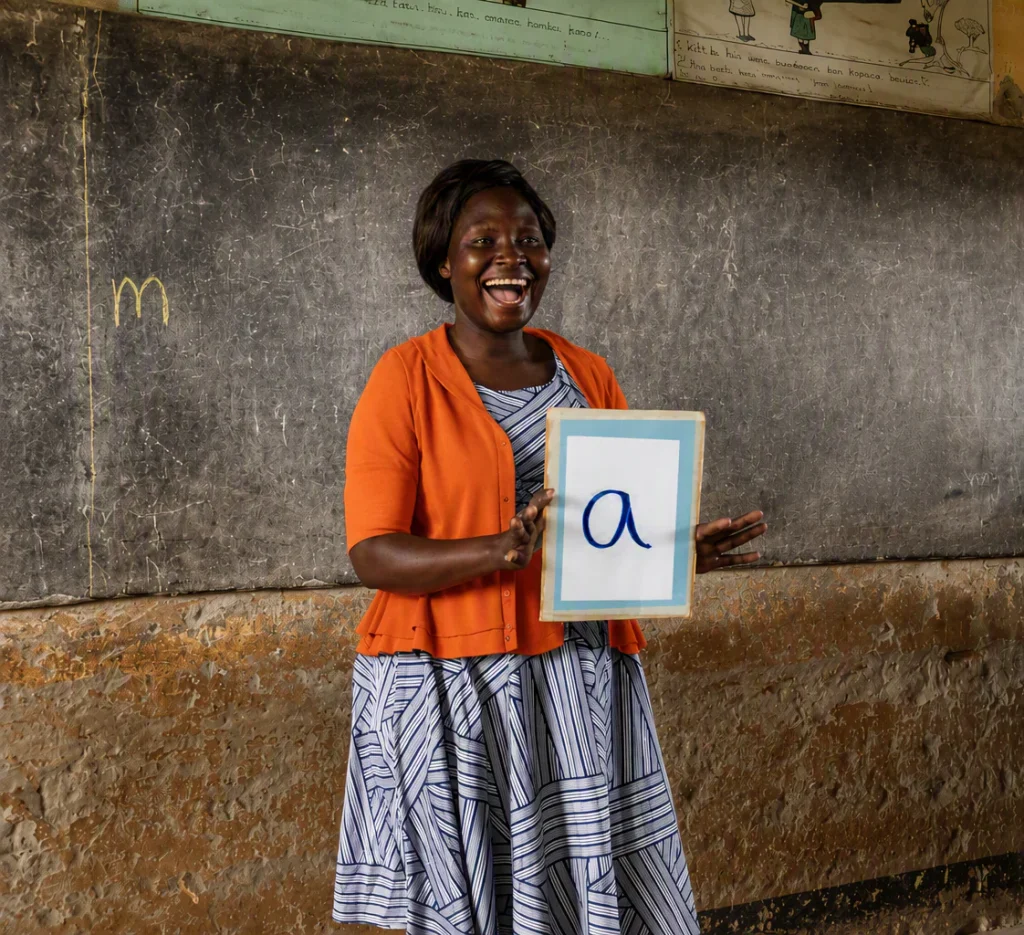
African Revival is developing plans to work with an initial cohort of around 10 rural primary schools. The detailed selection and improvement plans will be developed with schools, communities and district authorities. Each school would start with a structured assessment covering learning, teachers, infrastructure, safeguarding, inclusion and community capacity.
Why safety belongs in the plan. A randomised study of the Good School Toolkit in Uganda found less pupil-reported physical violence by school staff in participating schools than in comparison schools. This is evidence for a specific safeguarding intervention, not proof that every whole-school programme will achieve the same result. It reinforces the importance of a safe school culture alongside teaching and facilities.
The resulting plan would not be identical for every school. One may need urgent classroom or water improvements; another may need teacher development, books, digital access or support to strengthen leadership. The common feature would be a sustained partnership with clear responsibilities and regular review.
We want to distinguish between what we provide, what changes immediately and what improves over time. That means tracking:
This direction closely supports the ambition of Sustainable Development Goal 4: inclusive and equitable quality education and lifelong learning opportunities for all. Other goals—including gender equality, clean water and sanitation, reduced inequalities and partnerships—are also relevant to the barriers rural schools face.
African Revival is not claiming that one model will answer every challenge. We will publish what we learn, including where an intervention performs differently from what we expected. We will also draw on credible wider programmes. For example, Education Cannot Wait, the United Nations global fund for education in crises, emphasises connected action that bridges immediate needs and longer-term education-system development.
The proposed approach remains in development. The detailed model will be refined with schools, communities, government and funders. Its success will depend on disciplined assessment, realistic commitments and the willingness to stay long enough to learn what genuinely improves outcomes.
Improving access to and quality of education in sub-Saharan Africa.
© Copyright 2026 | All rights reserved. African Revival | Registered Charity Number 1108718. | Terms | Privacy Policy | Cookie Policy | Built by Twenty-Two

